
Pelvic Floor Tension Release
Manual therapy to release the chronic pelvic floor guarding that builds up as a protective response to endo pain. This muscular layer is often a major driver of symptoms, even when the disease itself is being managed.
Endometriosis is a real diagnosis that causes real pain, and pelvic floor therapy is one of the few treatments that directly addresses the musculoskeletal impact that builds up around it. Managing endometriosis well means addressing more than the lesions.

The average time to an endometriosis diagnosis is 7-10 years. That's years of debilitating periods, painful sex, and chronic pelvic pain being dismissed or minimized. If you finally have answers, you deserve a treatment team that addresses the whole picture, not just the surgical side.
Signs and Symptoms
If you’re nodding at more than a few of these, your pelvic floor is asking for attention.
Severe menstrual cramps that interfere with daily life
Chronic pelvic pain between periods
Pain during or after sex, especially deep penetration
Painful bowel movements or urination, especially during your period
Bloating and GI symptoms around your cycle ("endo belly")
Fatigue that's out of proportion to what you're doing
Urinary urgency or frequency
Difficulty getting pregnant
Root Cause
Endometriosis occurs when tissue similar to the uterine lining grows outside the uterus, on the ovaries, fallopian tubes, bowel, bladder, and pelvic walls. This tissue responds to hormonal fluctuations just like the uterine lining does, causing inflammation, adhesions, and scar tissue with each cycle.
But here’s what most people don’t talk about: the chronic inflammation and pain from endometriosis causes the pelvic floor muscles to guard and tighten over time. This creates a secondary layer of muscular pain that persists even when the disease itself is being managed. Surgery addresses the lesions, it doesn’t release the pelvic floor tension that’s built up around them.
Your Treatment
Pelvic floor PT doesn't treat the endometriosis itself. That's the role of your gynecologist or excision surgeon. What it does is address the musculoskeletal impact that accumulates from living with chronic pain and inflammation. This is a crucial part of comprehensive endo care that's often left out entirely.
Your Path to Relief
A clear, supportive process designed to meet you where you are with guidance every step of the way
Our Services
We offer a flexible approach to pelvic health that adapts to your life. Each service is designed to address root causes and build lasting strength.
One-on-one virtual pelvic floor physical therapy for women who want expert care and accountability from anywhere.
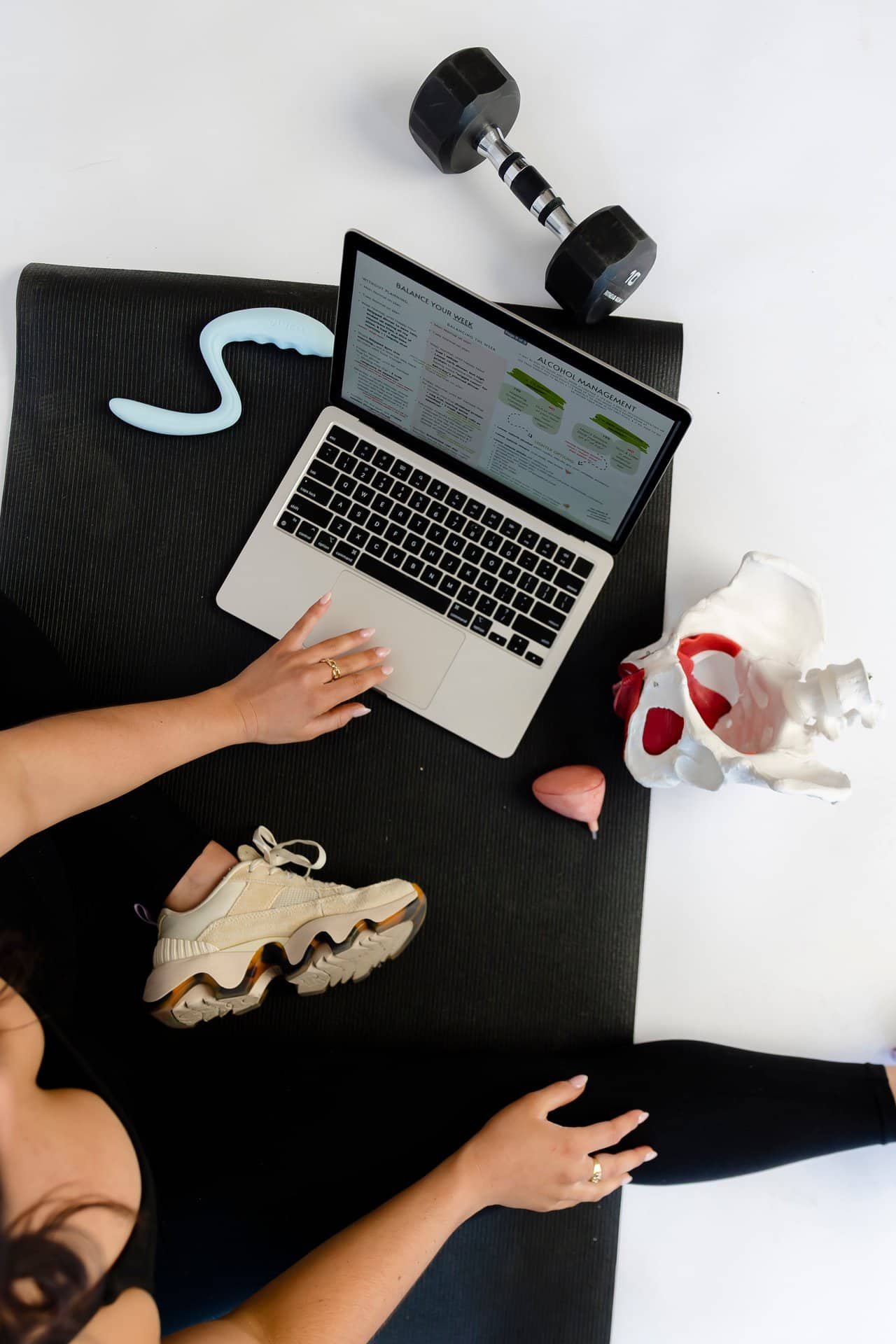
Hands-on pelvic floor physical therapy in Orange County for those ready to resolve pain, bladder issues, and pelvic dysfunction.
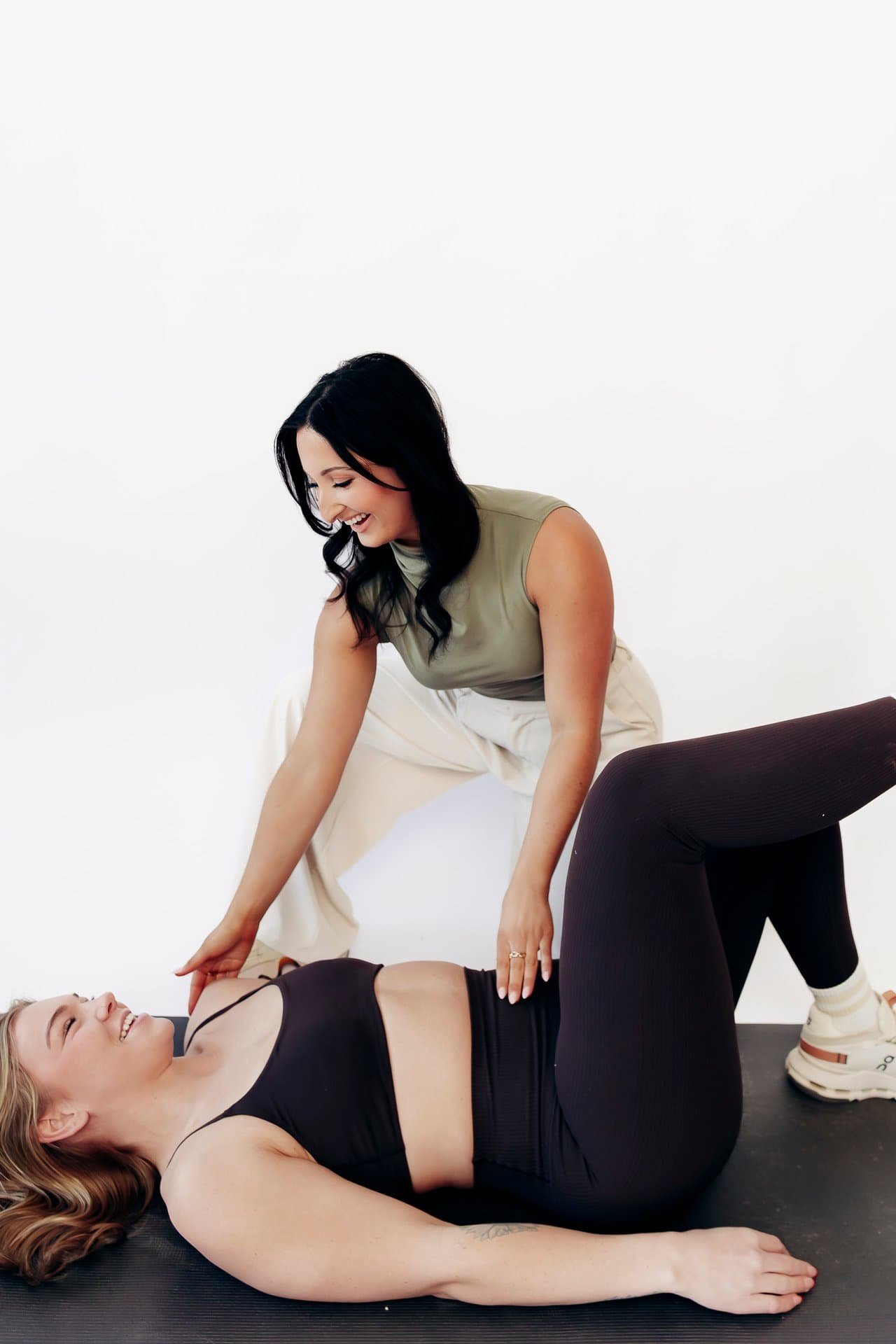
Evidence-based strength and nutrition coaching designed to help you improve body composition and rebuild confidence, without sacrificing your hormones, gut health, or your social life.
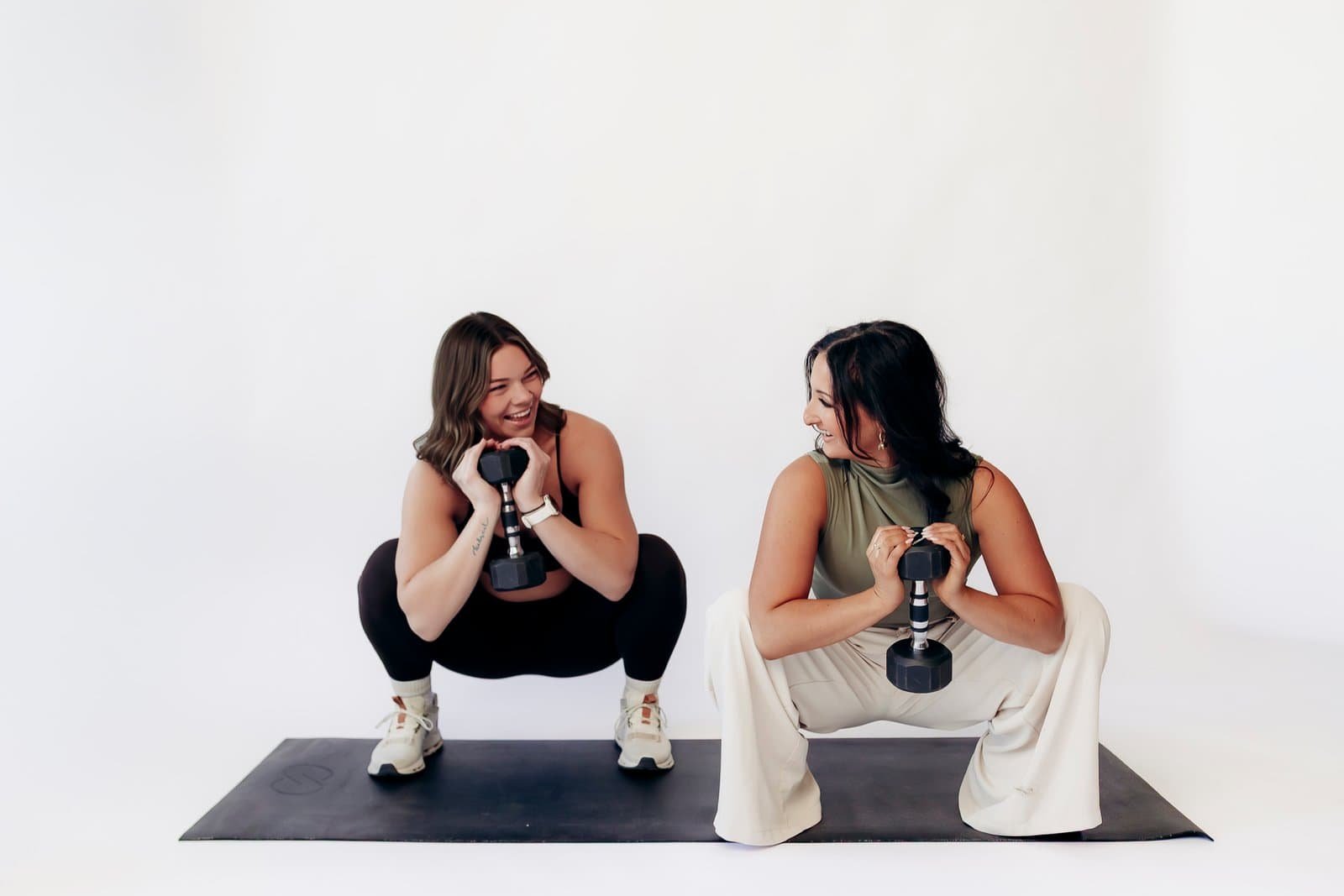
Post-surgical pelvic PT is actually one of the best uses of pelvic floor therapy for endo patients. Timing depends on your surgeon’s guidance, but starting PT a few weeks after surgery helps address scar tissue, restore mobility, and prevent the re-accumulation of tension.
Pelvic physical therapy addresses the muscular and connective tissue component of endo pain, which is often a significant driver of symptoms. It works best as part of a comprehensive plan that includes appropriate medical management of the disease itself.
Yes, indirectly. Releasing pelvic floor tension can reduce the intensity of menstrual cramps, which are significantly amplified when the pelvic muscles are in a guarded, tight state. Many patients report meaningful improvement in period pain alongside their other symptoms.
Yes. Education, movement strategies, breathing and relaxation techniques, and guided exercise programs work effectively in virtual sessions. In-person care is available for California patients.
Managing endo is a team effort. If pelvic floor tension is adding to your pain, we can help with that piece. Book a free consultation.