Pelvic Floor Rehabilitation
Assessment and targeted rehabilitation of the pelvic floor muscles, whether the issue is weakness, tightness, poor coordination, or injury from delivery. This is the foundation of postpartum recovery.
Your body just did something extraordinary, and it deserves more than a 6-week check that ends with "everything looks good, you're cleared." Postpartum pelvic PT is how you actually rebuild, not just recover.

The US is one of the only developed countries where comprehensive postpartum pelvic PT isn't standard of care. Most women are cleared at 6 weeks with no assessment of their pelvic floor, core, or return-to-activity readiness, and then wonder why things don't feel right months later. That's not your fault. That's a gap in the system.
Signs and Symptoms
If you’re nodding at more than a few of these, your pelvic floor is asking for attention.
Urinary leakage with exercise, sneezing, or laughing
Pelvic heaviness or pressure
Painful sex after delivery
Low back pain that didn't go away postpartum
Core that feels disconnected or weak
Perineal pain or scarring from tearing or episiotomy
Constipation or difficulty with bowel movements
Feeling completely cleared medically but still not feeling right
Root Cause
Vaginal delivery places enormous demands on the pelvic floor, stretching the muscles, connective tissue, and nerves supporting the pelvic organs up to three times their normal length. Even in an uncomplicated delivery, the pelvic floor needs time and targeted rehabilitation to restore function.
Tears, episiotomies, extended pushing phases, and instrument-assisted deliveries increase the rehabilitation needs further.
C-section deliveries don’t spare the pelvic floor. The pelvic floor was supporting a growing baby for 40 weeks, and the surgical trauma to the core and abdominal wall creates its own rehabilitation needs. Both paths lead to the same need: a real assessment and a structured recovery plan.
Your Treatment
Postpartum pelvic PT is the comprehensive recovery that should come standard with every birth, but doesn't. Your doctor provides a thorough assessment of the pelvic floor and core, identifies what needs rehabilitation, and builds a program that meets you where you are, whether you're 6 weeks postpartum or 6 years. This isn't just about recovery. It's about building a foundation so your body works better postpartum than it did before.
Your Path to Relief
A clear, supportive process designed to meet you where you are with guidance every step of the way
Our Services
We offer a flexible approach to pelvic health that adapts to your life. Each service is designed to address root causes and build lasting strength.
One-on-one virtual pelvic floor physical therapy for women who want expert care and accountability from anywhere.
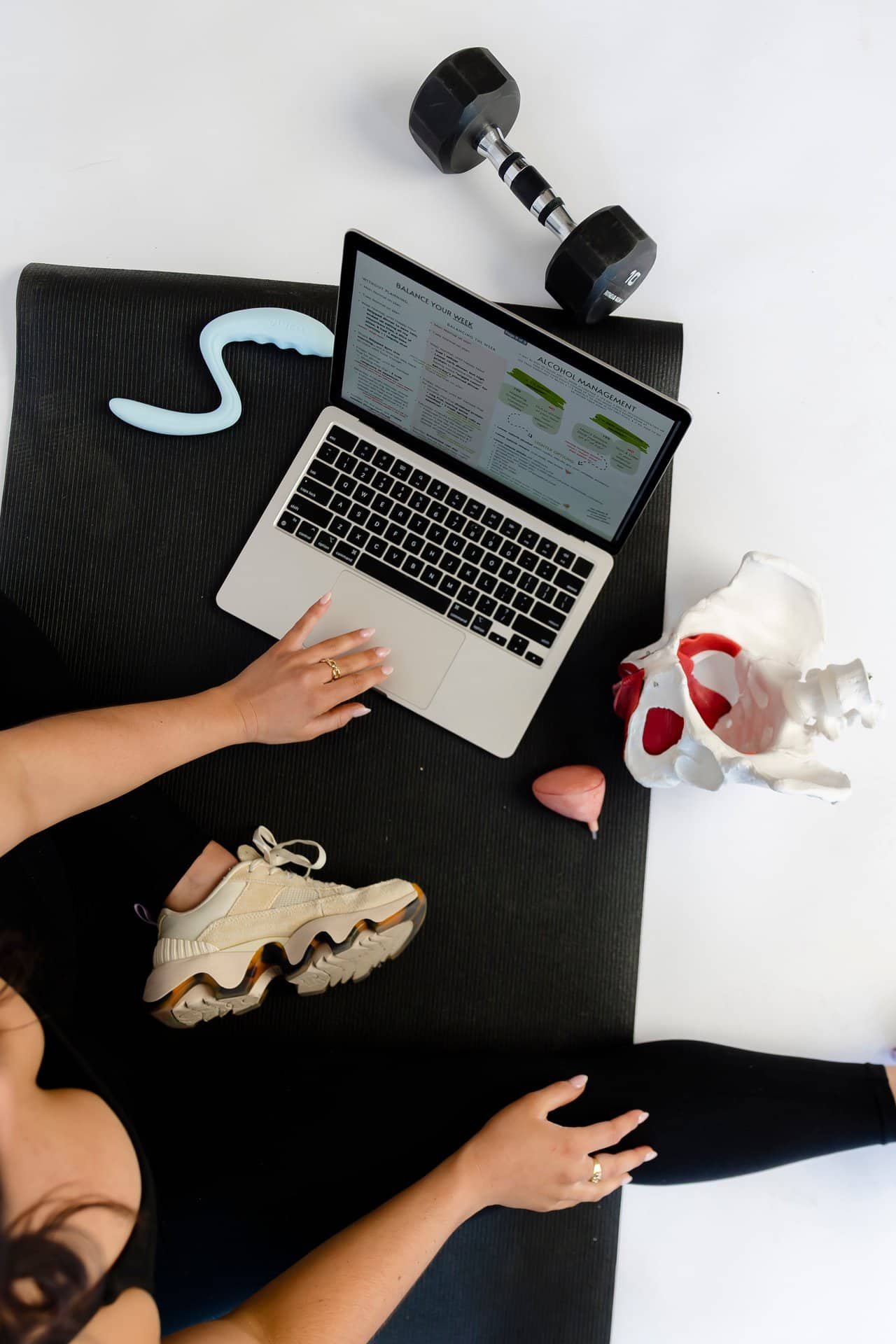
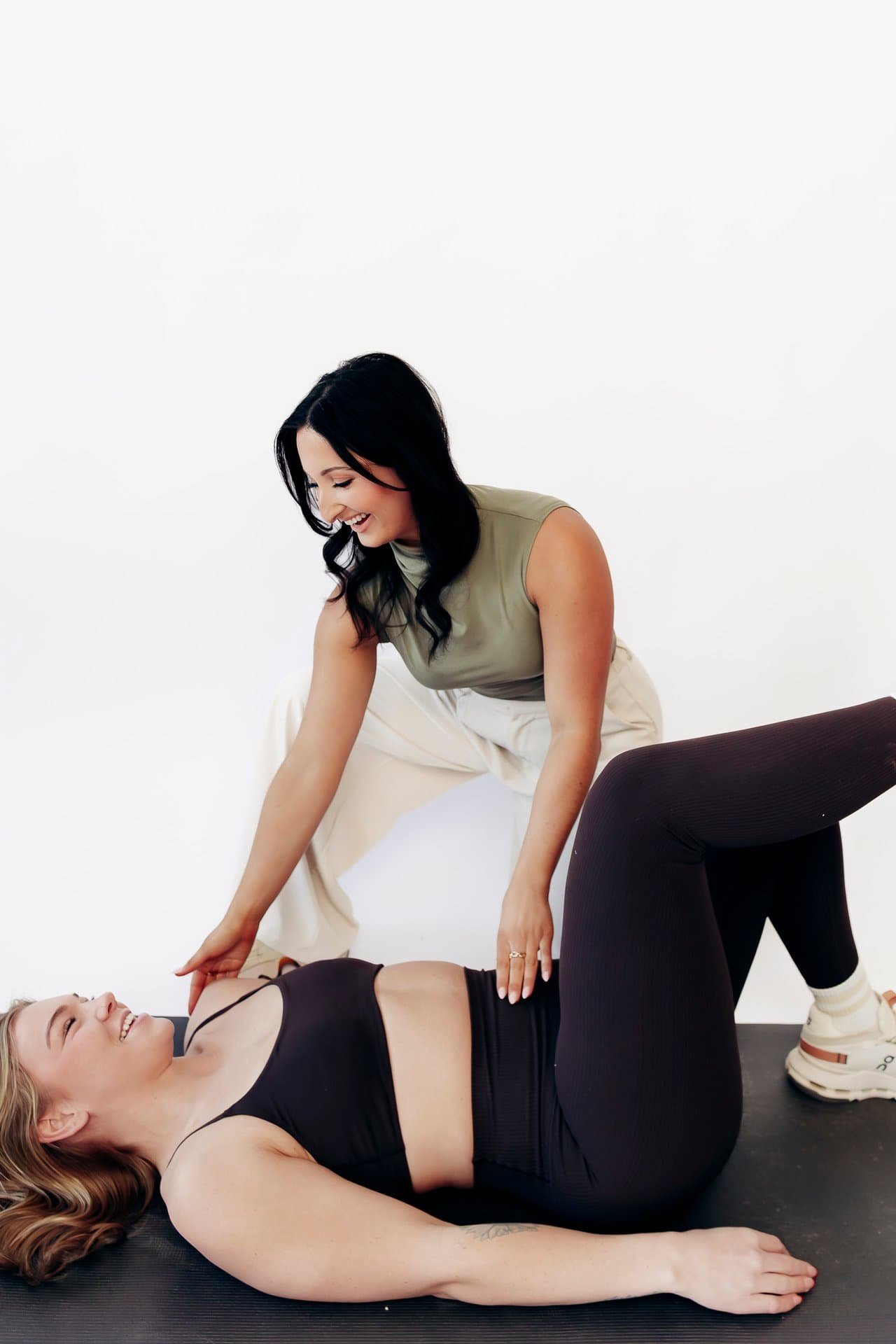
Hands-on pelvic floor physical therapy in Orange County for those ready to resolve pain, bladder issues, and pelvic dysfunction.
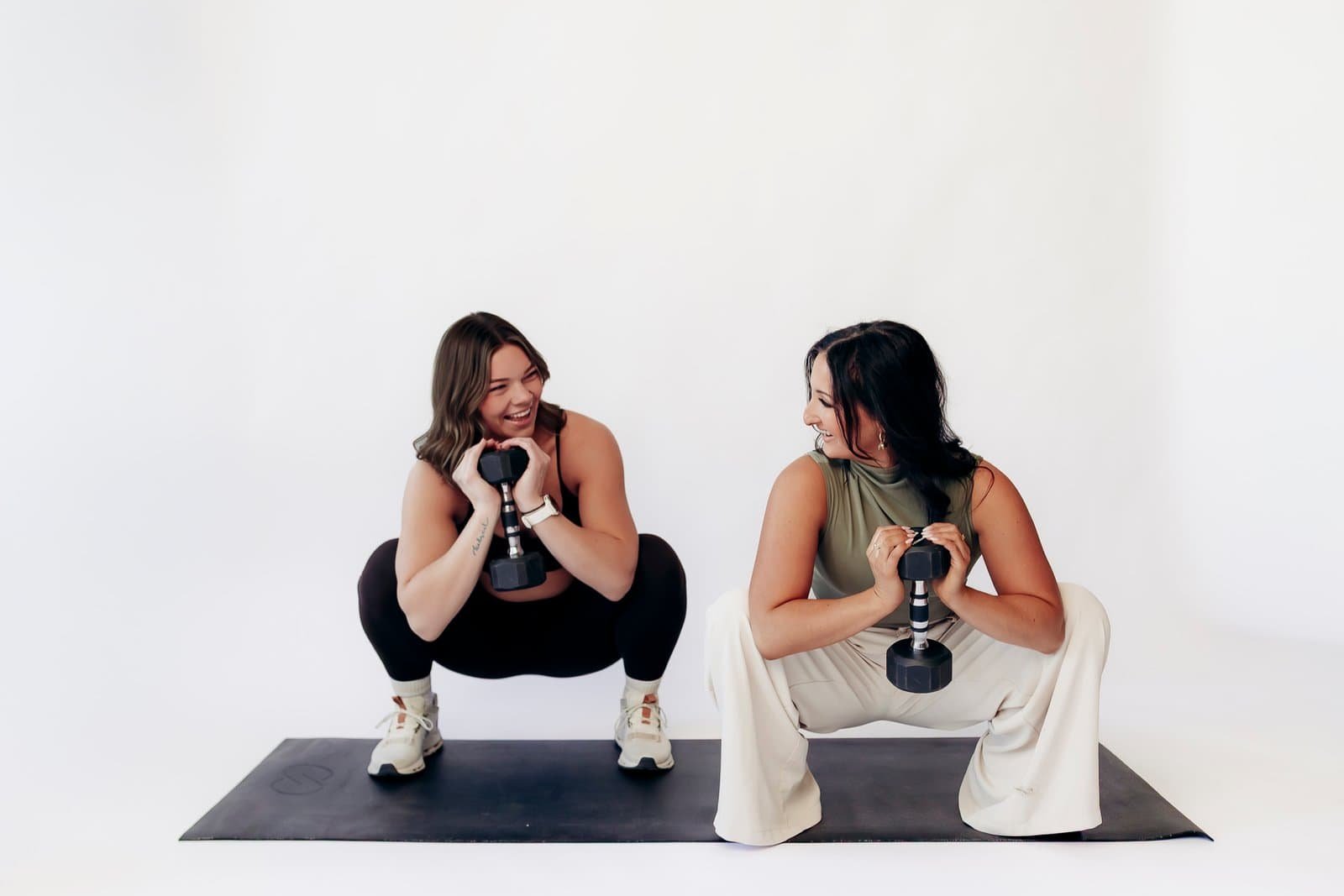
Evidence-based strength and nutrition coaching designed to help you improve body composition and rebuild confidence, without sacrificing your hormones, gut health, or your social life.
You can begin with gentle education and breathing exercises in the first few weeks postpartum. A full pelvic floor assessment is typically done at 6-8 weeks, or whenever you’ve been cleared by your OB or midwife.
Not at all. The pelvic floor responds to treatment regardless of how long it’s been since delivery. Women see real improvement starting pelvic PT years after having children.
No. Even women without symptoms benefit from an assessment and return-to-exercise guidance, especially if they’re planning to return to running, weightlifting, or high-intensity exercise. Doing so without proper preparation is one of the leading causes of long-term pelvic floor issues.
Yes, postpartum PT can be done online. Education, home exercises, return-to-exercise guidance, and symptom management are highly effective virtually. In-person care in California provides the option for direct assessment and manual work on the perineum, scar tissue, and pelvic floor.
Whether you’re 6 weeks or 3 years postpartum, it’s not too late to get the recovery you deserved from day one. Book a free consultation.