Pelvic Floor and Core Preparation
Assessment and targeted exercise for the pelvic floor and core to support the changing demands of pregnancy and build the strength needed for labor and recovery.
Pregnancy puts enormous demands on the pelvic floor, and preparing it properly makes a real difference in how you feel during pregnancy, how you labor and deliver, and how quickly you recover postpartum. Prenatal pelvic PT is one of the most valuable things you can do for your body right now.

In countries like France, pelvic floor PT during and after pregnancy is standard care, recommended for every woman. In the US, most women don't hear about prenatal pelvic PT until they're already leaking, in pain, or struggling postpartum. You don't have to wait for a problem to start.
Signs and Symptoms
If you’re nodding at more than a few of these, your pelvic floor is asking for attention.
Leaking when you cough, sneeze, or laugh during pregnancy
Pelvic girdle pain or pain in the front of the pelvis (SPD)
Low back pain that won't let up
Hip pain or difficulty walking, climbing stairs, or rolling in bed
Heaviness or pressure in the pelvis
Sciatica or shooting pain down the leg
Tailbone pain that gets worse as the pregnancy progresses
Anxiety about labor, pushing, and the physical demands of delivery
Root Cause
During pregnancy, the body undergoes profound physical changes that challenge the pelvic floor at every stage. Relaxin (a hormone produced during pregnancy) loosens the ligaments and joints of the pelvis, which increases mobility, but also reduces stability. The growing uterus shifts the center of gravity and increases the load on the pelvic floor.
By the third trimester, the pelvic floor muscles are supporting significantly more weight than they were before pregnancy. These changes explain why pelvic pain, leakage, and low back pain are so common during pregnancy, but common doesn’t mean untreatable.
Most pregnancy-related pelvic symptoms respond very well to targeted physical therapy.
Your Treatment
Prenatal pelvic PT addresses the demands of pregnancy proactively, treating current symptoms and preparing the body for labor and delivery. Your doctor works with pregnant patients at any stage, though starting in the second trimester allows the most time for preparation. Think of it as preparing for the biggest physical event of your life, because that's what it is.
Your Path to Relief
A clear, supportive process designed to meet you where you are with guidance every step of the way
Our Services
We offer a flexible approach to pelvic health that adapts to your life. Each service is designed to address root causes and build lasting strength.
One-on-one virtual pelvic floor physical therapy for women who want expert care and accountability from anywhere.
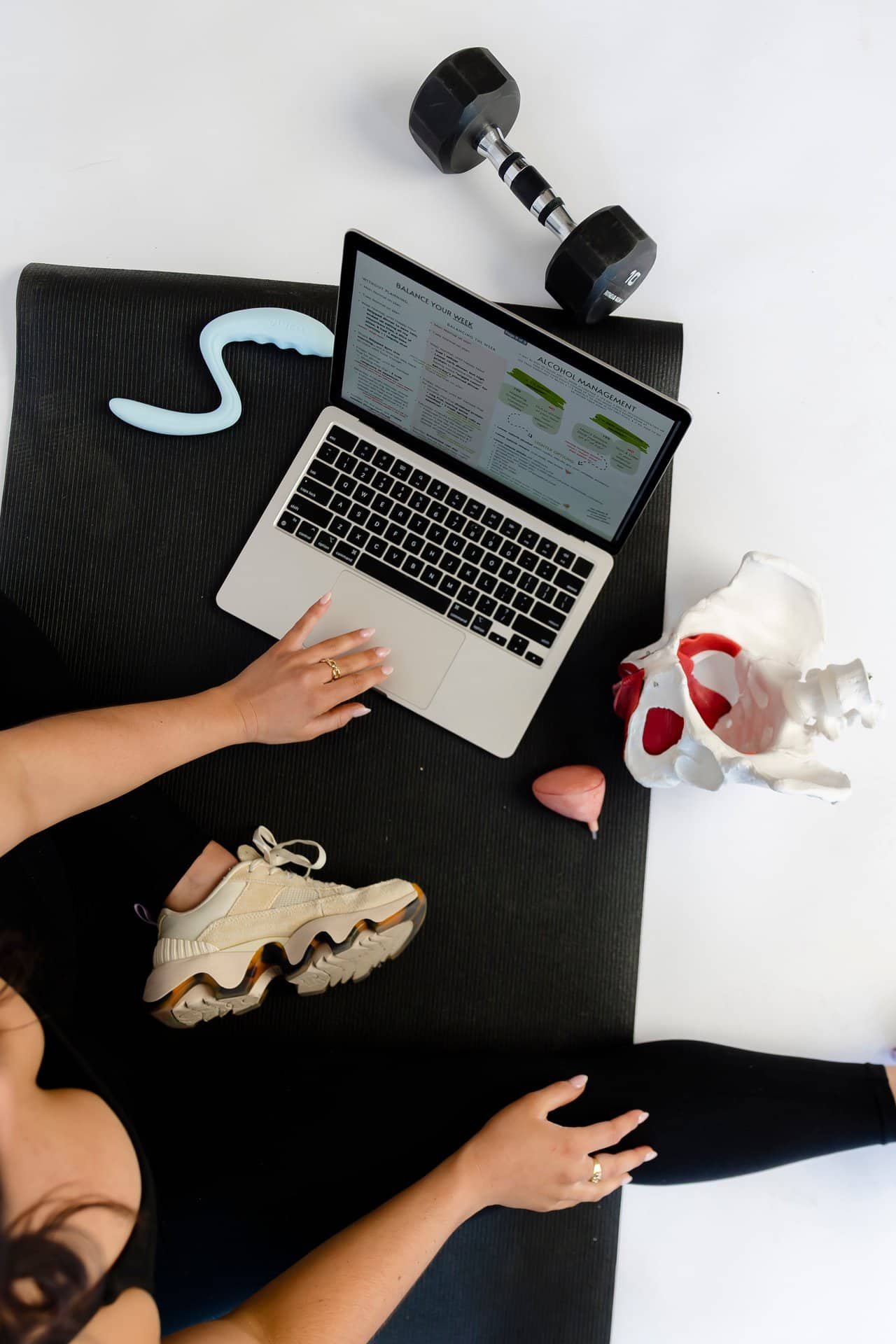
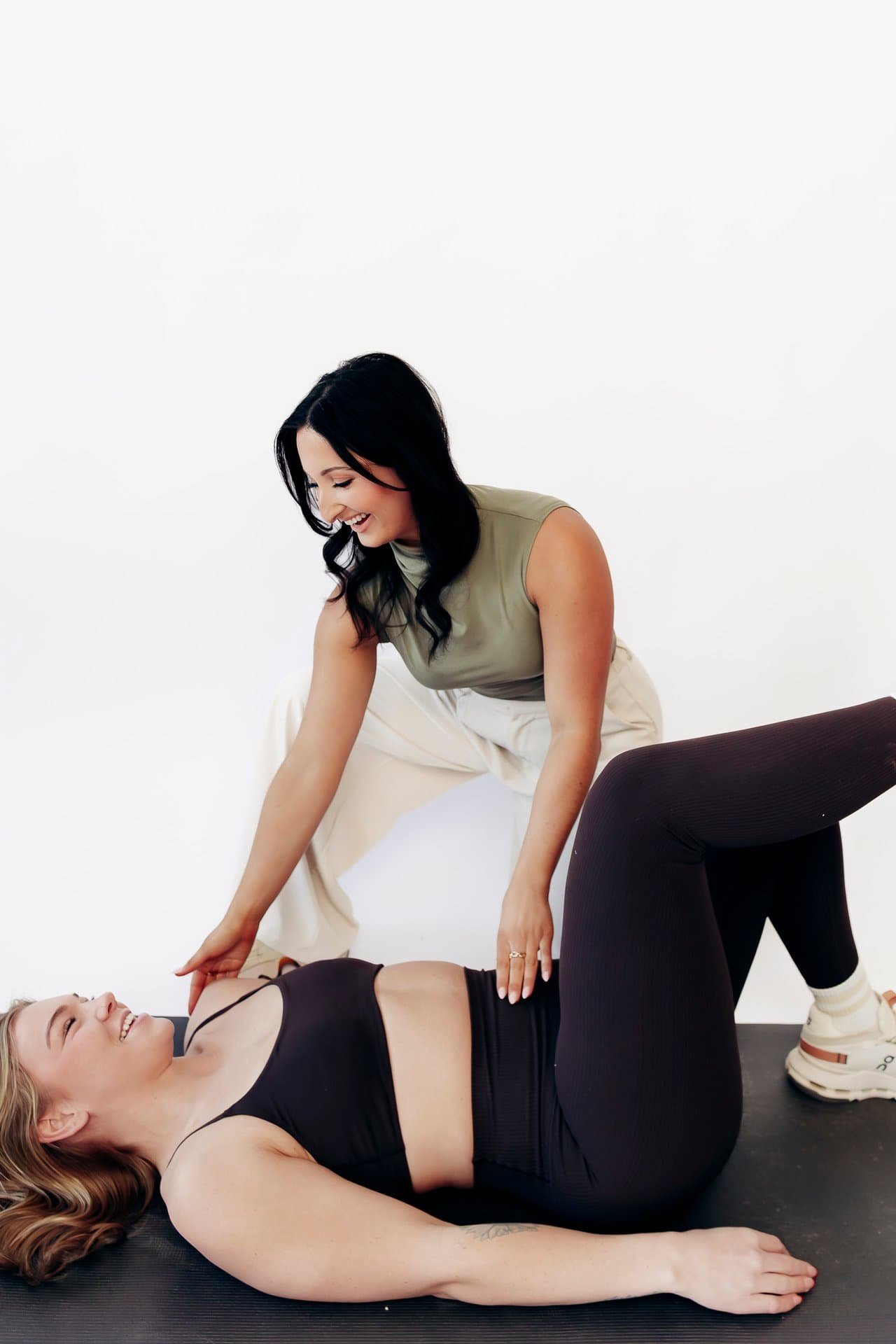
Hands-on pelvic floor physical therapy in Orange County for those ready to resolve pain, bladder issues, and pelvic dysfunction.
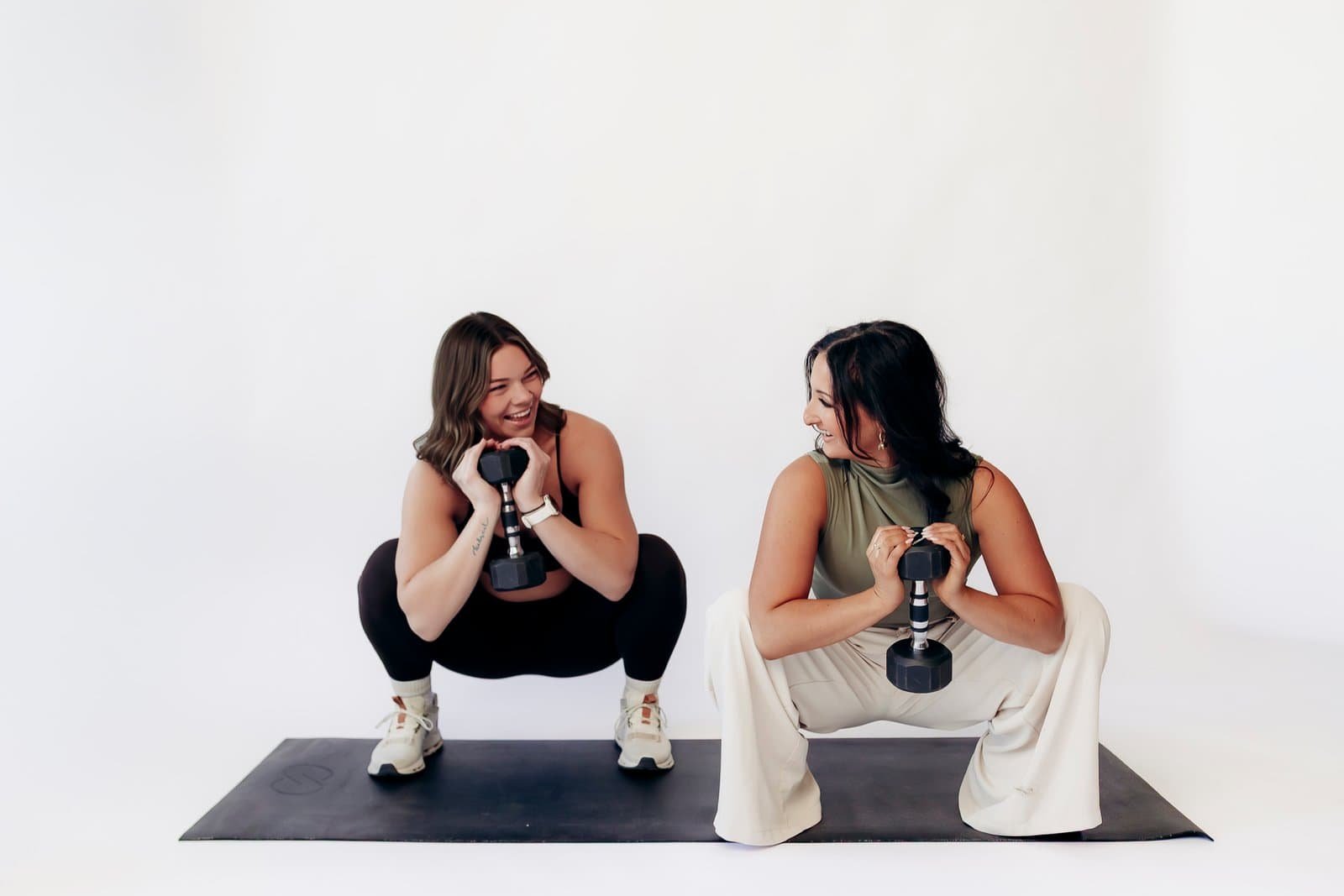
Evidence-based strength and nutrition coaching designed to help you improve body composition and rebuild confidence, without sacrificing your hormones, gut health, or your social life.
Yes, prenatal pelvic PT is safe at any stage of pregnancy. It’s one of the most evidence-supported interventions for pregnancy-related pelvic pain, incontinence, and birth prep. Always inform your OB or midwife that you’re starting PT; they can coordinate care as needed.
Ideally in the second trimester, when most pregnancy symptoms begin and there’s still time to make meaningful progress before delivery. Starting in the third trimester is still very worthwhile, even just for birth prep and postpartum planning.
Perineal massage and stretching in the weeks before delivery has evidence supporting reduced tearing and episiotomy rates. your doctor teaches you how to do this correctly, starting around 34-36 weeks.
Yes, exercise prescription, education, labor prep, and symptom management are all highly effective in online sessions.
Your body is working hard right now, and so should your care team. Book a free consultation to talk through what prenatal pelvic PT would look like for you.