
Pelvic Floor and Nerve Treatment
Manual therapy to release pelvic floor tension and reduce the compression on the pudendal nerve that runs through it. When this tension releases, the vulvar pain signal often quiets significantly.
Chronic vulvar pain (burning, stinging, rawness, or aching that's always there or comes and goes without explanation) is one of the most isolating conditions in women's health. It's real, it's physical, and it's treatable.

Vulvodynia affects up to 16% of women at some point in their lives, and most of them are told their exams look normal and sent away without answers. Normal-looking tissue doesn't mean the pain isn't real, it means the drivers of the pain are neurological and muscular, which is exactly what pelvic PT addresses.
Signs and Symptoms
If you’re nodding at more than a few of these, your pelvic floor is asking for attention.
Burning, stinging, or rawness at the vaginal opening or vulva
Pain that's constant, or triggered by touch, sex, or tight clothing
Sensitivity to clothing, sitting, or wiping after using the bathroom
Pain during or after sexual activity that lingers for hours or days
Aching or throbbing at the vulva without obvious cause
Redness or swelling that comes and goes
Difficulty wearing pants, underwear, or swimsuits comfortably
Pain that's dismissed as "everything looks normal" by providers
Root Cause
Vulvodynia is chronic vulvar pain without an identifiable cause, meaning no active infection, skin condition, or visible lesion explains the pain. The most widely accepted mechanism involves nerve hypersensitivity: the nerves supplying the vulvar tissue become overly reactive, sending pain signals in response to stimuli that shouldn’t be painful.
Pelvic floor muscle tension is almost always a contributing factor. The pudendal nerve (which supplies the vulva) travels through the pelvic floor, and tight pelvic floor muscles can compress or irritate it, perpetuating the pain.
Hormonal changes, a history of recurrent yeast infections, prior trauma, and persistent bracing in response to anticipated pain can all contribute.
Your Treatment
Pelvic floor PT is one of the most evidence-supported treatments for vulvodynia, and it works on both the physical and neurological drivers of the pain. Your doctor approaches vulvar pain with patience and precision. This is not a condition that responds well to aggressive treatment.
Your Path to Relief
A clear, supportive process designed to meet you where you are with guidance every step of the way
Our Services
We offer a flexible approach to pelvic health that adapts to your life. Each service is designed to address root causes and build lasting strength.
One-on-one virtual pelvic floor physical therapy for women who want expert care and accountability from anywhere.

Hands-on pelvic floor physical therapy in Orange County for those ready to resolve pain, bladder issues, and pelvic dysfunction.
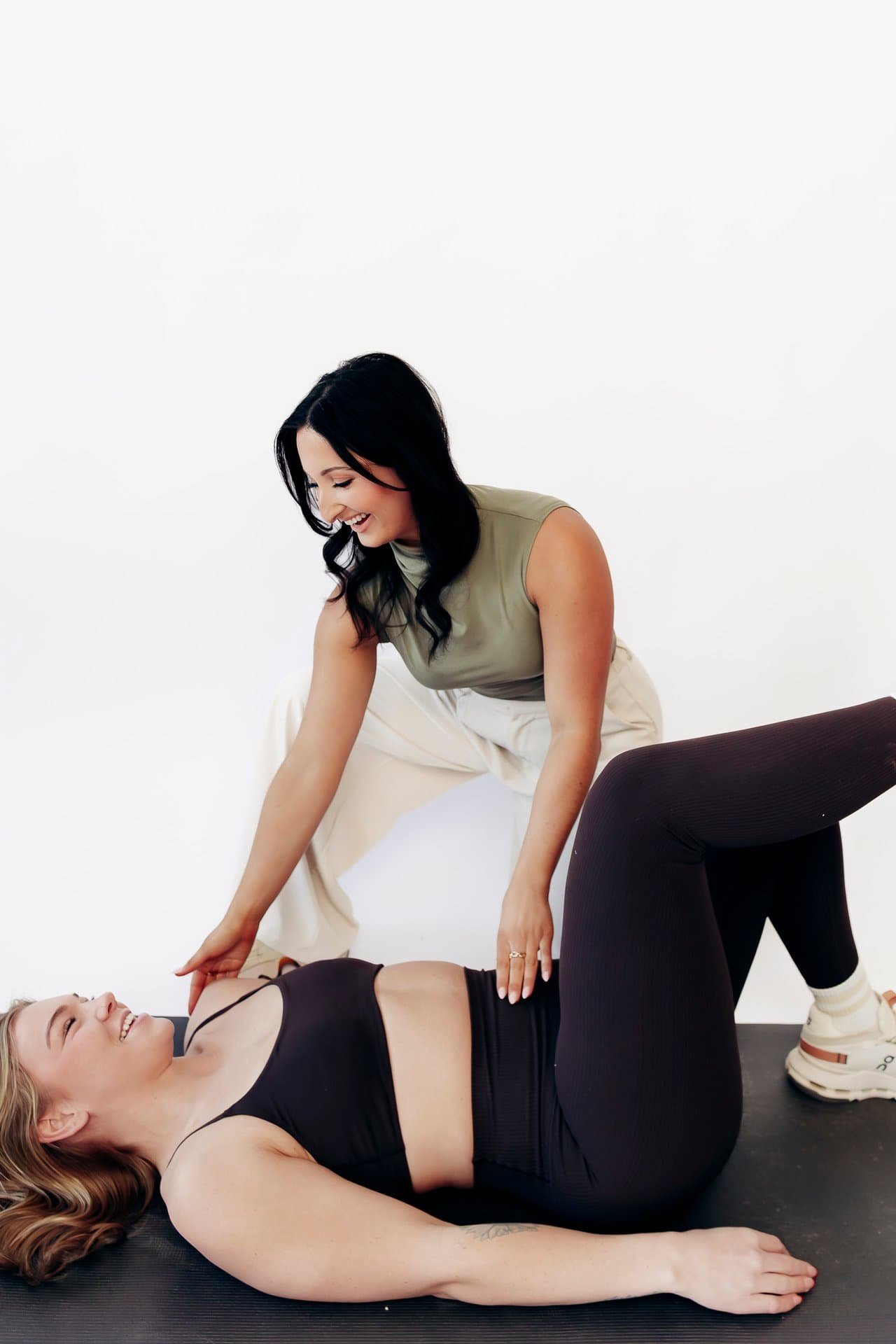
Evidence-based strength and nutrition coaching designed to help you improve body composition and rebuild confidence, without sacrificing your hormones, gut health, or your social life.
Normal-looking tissue with significant pain is the hallmark of vulvodynia. The drivers are in the nerves and muscles (not the tissue surface) which means they won’t show up on a visual exam. Pelvic PT directly targets those drivers.
Not necessarily. Your doctor will give guidance on what’s helpful versus harmful to do during treatment based on your specific presentation. For some patients, modifying rather than stopping sexual activity is the right approach.
Many women achieve complete resolution of symptoms. Others reach a point of significant improvement where pain is no longer the focus of their lives. The nervous system’s capacity to calm down and reorganize (called neuroplasticity) is what makes recovery possible.
Yes, vulvodynia can be treated online. Education, neuroscience-based pain management, breathing techniques, and pelvic floor exercise programming work well in virtual sessions. In-person care in California allows for more direct manual work on the vulvar tissue and pelvic floor.
Living with constant vulvar pain is exhausting. If you’ve been told everything looks normal and still have no answers, a free consultation is the right next step.